Skip to content
Navagraha

Navagraha

नवग्रह

The Nine Celestial Bodies Governing Destiny

1 mantras available

About Navagraha

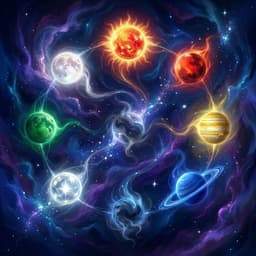
The Navagraha (nine planets) are the nine celestial bodies that influence human life according to Vedic astrology (Jyotish Shastra). They are Surya (Sun), Chandra (Moon), Mangal (Mars), Budha (Mercury), Brihaspati/Guru (Jupiter), Shukra (Venus), Shani (Saturn), Rahu (North Lunar Node), and Ketu (South Lunar Node). Each graha governs specific aspects of life — career, relationships, health, wealth, and spirituality.

In Hindu temples, the Navagraha are often represented as a group of nine deities arranged in a specific geometric pattern, each facing a particular direction. Surya occupies the center, flanked by the other eight. Each graha has associated colors, gemstones, metals, grains, and days of the week. Understanding and appeasing the Navagraha is fundamental to Vedic astrology and Hindu worship, as their positions at the time of birth (janma kundali) shape one's life journey.

Navagraha mantras are chanted to strengthen benefic planets, mitigate the effects of malefic ones, and balance the cosmic energies influencing one's horoscope. During planetary transits (gochar), eclipses, Sade Sati (Saturn's 7.5-year transit), Rahu-Ketu Dasha, or other challenging astrological periods, chanting the appropriate graha mantra is the primary Vedic remedy. Navagraha Puja is performed in temples across India before weddings, housewarming, and other major life events.

Attributes & Symbolism

1Surya (Sun) — Ruby
2Chandra (Moon) — Pearl
3Mangal (Mars) — Coral
4Budha (Mercury) — Emerald
5Guru (Jupiter) — Yellow Sapphire
6Shukra (Venus) — Diamond
7Shani (Saturn) — Blue Sapphire
8Rahu — Hessonite (Gomed)
9Ketu — Cat's Eye (Lehsunia)

All Navagraha Mantras

Frequently Asked Questions

The Navagraha (nine planets) are the nine celestial bodies that influence human life according to Vedic astrology (Jyotish Shastra). They are Surya (Sun), Chandra (Moon), Mangal (Mars), Budha (Mercury), Brihaspati/Guru (Jupiter), Shukra (Venus), Shani (Saturn), Rahu (North Lunar Node), and Ketu (South Lunar Node). Each graha governs specific aspects of life — career, relationships, health, wealth, and spirituality. In Hindu temples, the Navagraha are often represented as a group of nine deities arranged in a specific geometric pattern, each facing a particular direction. Surya occupies the center, flanked by the other eight. Each graha has associated colors, gemstones, metals, grains, and days of the week. Understanding and appeasing the Navagraha is fundamental to Vedic astrology and Hindu worship, as their positions at the time of birth (janma kundali) shape one's life journey. Navagraha mantras are chanted to strengthen benefic planets, mitigate the effects of malefic ones, and balance the cosmic energies influencing one's horoscope. During planetary transits (gochar), eclipses, Sade Sati (Saturn's 7.5-year transit), Rahu-Ketu Dasha, or other challenging astrological periods, chanting the appropriate graha mantra is the primary Vedic remedy. Navagraha Puja is performed in temples across India before weddings, housewarming, and other major life events.
MantraList.in features 1 mantras dedicated to Navagraha. These include various types such as beej mantras, gayatri mantras, stotras, and devotional prayers. Each mantra serves a specific spiritual purpose and carries unique benefits.
All Navagraha mantras carry divine power when chanted with devotion and sincerity. The most widely chanted Navagraha mantra is often considered to be the primary mantra associated with this deity. The effectiveness of any mantra depends on the practitioner's faith, consistency, and correct pronunciation rather than any inherent hierarchy.
Yes, Navagraha mantras can be chanted at home in a clean, quiet space. Face east or north while chanting. You can set up a small altar or simply sit in a calm corner. The most important factors are devotion, regularity, and a peaceful mind. Morning hours (especially Brahma Muhurta) are traditionally considered the most auspicious time.
Worshipping Navagraha through mantras and prayers brings spiritual growth, inner peace, and divine blessings. Devotees experience increased clarity, protection from negative energies, fulfillment of righteous desires, and progress on the spiritual path. The specific benefits vary by mantra -- explore each mantra page for detailed information.