Hindu Deities
The divine manifests in many forms in Sanatan Dharma. Each deity embodies specific cosmic principles, virtues, and energies. Explore their mantras, stories, and spiritual significance.
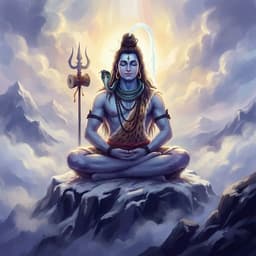
Lord Shiva
शिव
The Destroyer and Transformer
8 mantras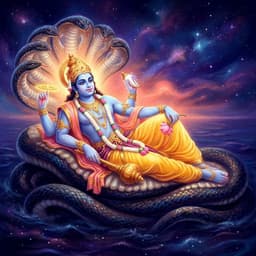
Lord Vishnu
विष्णु
The Preserver and Protector of the Universe
8 mantras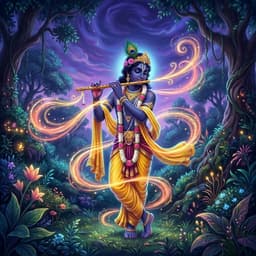
Lord Krishna
कृष्ण
The Divine Cowherd and Supreme Personality of Godhead
8 mantras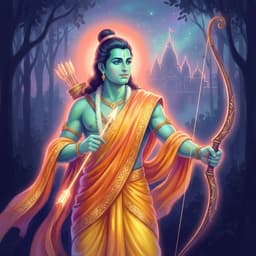
Lord Rama
राम
Maryada Purushottam — The Ideal Man
8 mantras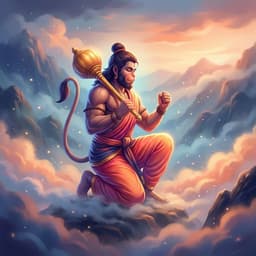
Lord Hanuman
हनुमान
The Mighty Devotee and Embodiment of Bhakti
8 mantras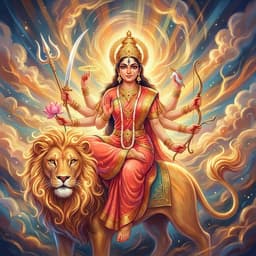
Goddess Durga
दुर्गा
The Invincible Mother Goddess
8 mantras
Goddess Kali
काली
The Dark Mother and Destroyer of Evil
8 mantras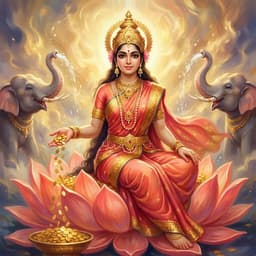
Goddess Lakshmi
लक्ष्मी
The Goddess of Wealth, Fortune, and Prosperity
8 mantras
Goddess Saraswati
सरस्वती
The Goddess of Knowledge, Music, and the Arts
8 mantras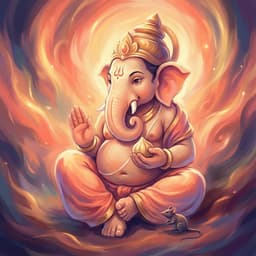
Lord Ganesha
गणेश
The Remover of Obstacles and Lord of New Beginnings
8 mantras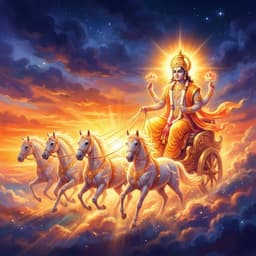
Lord Surya
सूर्य
The Sun God and Source of Life
8 mantras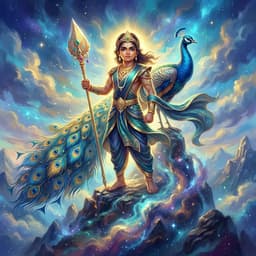
Lord Kartikeya
कार्तिकेय
The God of War and Commander of the Divine Army
8 mantras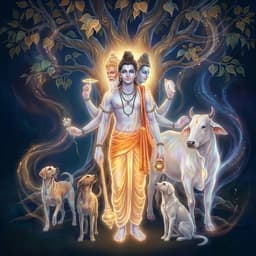
Lord Dattatreya
दत्तात्रेय
The Trinity Incarnate and Avadhuta Guru
8 mantras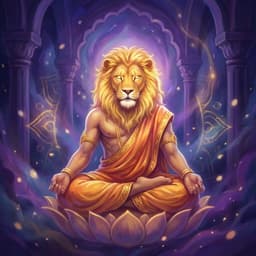
Lord Narasimha
नरसिंह
The Man-Lion Avatar and Fierce Protector
8 mantras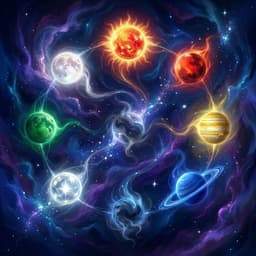
Navagraha
नवग्रह
The Nine Celestial Bodies Governing Destiny
8 mantrasUnderstanding Hindu Deities
In Sanatan Dharma (Hinduism), the concept of deity is far richer and more nuanced than a simple pantheon of separate gods. Hindu philosophy recognizes one ultimate reality -- Brahman -- which is infinite, formless, and beyond human comprehension. The deities are understood as accessible forms through which devotees can approach and experience this supreme truth.
Each deity carries a unique set of attributes, weapons, vehicles (vahanas), and consorts, all of which carry deep symbolic meaning. Lord Ganesha's elephant head represents wisdom and the ability to remove obstacles. Lord Shiva's trident symbolizes mastery over the three gunas (qualities of nature). Goddess Saraswati's veena represents the harmony of knowledge and art.
The mantras associated with each deity are considered sonic embodiments of their divine energy. Chanting these mantras with devotion is believed to invoke the deity's blessings, align the practitioner's consciousness with the deity's qualities, and ultimately lead to spiritual realization.