Skip to content
Lord Shiva

Lord Shiva

शिव

The Destroyer and Transformer

4 mantras available

About Lord Shiva

Lord Shiva, known as Mahadeva, is one of the principal deities of Hinduism and the Supreme Being in Shaivism. He is the cosmic dancer (Nataraja) who performs the Tandava, the dance of destruction and creation. Shiva is worshipped as the patron god of yoga, meditation, and the arts. In the Hindu trinity (Trimurti), Shiva represents the aspect of dissolution and regeneration.

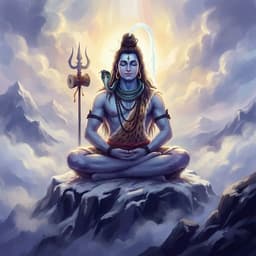
He is often depicted in deep meditation on Mount Kailash, adorned with a crescent moon, the holy river Ganga flowing from his matted hair, a third eye on his forehead, a snake (Vasuki) around his neck, and a trident (trishul) in his hand. The damaru drum in his hand symbolizes the primordial sound of creation, while the vibhuti (sacred ash) on his body represents the ultimate reality to which everything returns.

Shiva is worshipped in both his terrific and benevolent forms. While he is Rudra, the fierce destroyer of evil, he is also Shankara, the bestower of blessings and the compassionate protector of devotees. Devotees chant his mantras for protection, spiritual awakening, overcoming the fear of death, and attaining moksha (liberation from the cycle of birth and death).

Attributes & Symbolism

1Third Eye
2Trishul (Trident)
3Damaru (Drum)
4Crescent Moon
5Nandi (Bull)
6Snake (Vasuki)
7Rudraksha
8Vibhuti (Sacred Ash)

All Lord Shiva Mantras

Frequently Asked Questions

Lord Shiva, known as Mahadeva, is one of the principal deities of Hinduism and the Supreme Being in Shaivism. He is the cosmic dancer (Nataraja) who performs the Tandava, the dance of destruction and creation. Shiva is worshipped as the patron god of yoga, meditation, and the arts. In the Hindu trinity (Trimurti), Shiva represents the aspect of dissolution and regeneration. He is often depicted in deep meditation on Mount Kailash, adorned with a crescent moon, the holy river Ganga flowing from his matted hair, a third eye on his forehead, a snake (Vasuki) around his neck, and a trident (trishul) in his hand. The damaru drum in his hand symbolizes the primordial sound of creation, while the vibhuti (sacred ash) on his body represents the ultimate reality to which everything returns. Shiva is worshipped in both his terrific and benevolent forms. While he is Rudra, the fierce destroyer of evil, he is also Shankara, the bestower of blessings and the compassionate protector of devotees. Devotees chant his mantras for protection, spiritual awakening, overcoming the fear of death, and attaining moksha (liberation from the cycle of birth and death).
MantraList.in features 4 mantras dedicated to Lord Shiva. These include various types such as beej mantras, gayatri mantras, stotras, and devotional prayers. Each mantra serves a specific spiritual purpose and carries unique benefits.
All Lord Shiva mantras carry divine power when chanted with devotion and sincerity. The most widely chanted Lord Shiva mantra is often considered to be the primary mantra associated with this deity. The effectiveness of any mantra depends on the practitioner's faith, consistency, and correct pronunciation rather than any inherent hierarchy.
Yes, Lord Shiva mantras can be chanted at home in a clean, quiet space. Face east or north while chanting. You can set up a small altar or simply sit in a calm corner. The most important factors are devotion, regularity, and a peaceful mind. Morning hours (especially Brahma Muhurta) are traditionally considered the most auspicious time.
Worshipping Lord Shiva through mantras and prayers brings spiritual growth, inner peace, and divine blessings. Devotees experience increased clarity, protection from negative energies, fulfillment of righteous desires, and progress on the spiritual path. The specific benefits vary by mantra -- explore each mantra page for detailed information.