Tantric Mantra
Esoteric mantras from Tantra Shastras for direct transformation of consciousness through Shakti.
1 mantras of this type
About Tantric Mantra
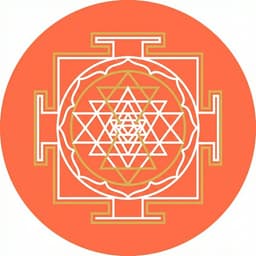
Tantric Mantras originate from the Tantra Shastras, a vast body of esoteric literature that emerged as a parallel tradition to the Vedas. While Vedic mantras focus on cosmic order and sacrificial rituals, Tantric mantras aim at the direct transformation of consciousness through the manipulation of subtle energies (shakti). Tantra literally means 'loom' or 'weaving,' referring to the interweaving of mantra, yantra (sacred geometry), and specific practices to achieve spiritual liberation.
Tantric mantras are characterized by their use of complex beej syllable combinations, their association with specific yantras and mudras, and their emphasis on Shakti (divine feminine energy). They are central to the worship of Devi in her various forms — Kali, Tara, Tripura Sundari, Bhuvaneshwari, Chinnamasta, Bhairavi, Dhumavati, Bagalamukhi, Matangi, and Kamala (the Dasha Mahavidya or ten great wisdom goddesses). Each Mahavidya has a specific tantric mantra system.
Tantric mantra practice (tantra sadhana) involves precise rituals including nyasa (placing mantras on body parts), dhyana (visualization of the deity), mudra (hand gestures), and puja with specific offerings. The goal is kundalini awakening — the activation of the dormant spiritual energy at the base of the spine. While some tantric mantras can be practiced independently, advanced practices typically require initiation (diksha) from a qualified tantric guru in an unbroken lineage (parampara).